


LittleMum Thoracic Flex Stretcher
LittleMum Thoracic Flex Stretcher
Body-weight stretcher, Designed by LittleMum
Couldn't load pickup availability
A stable body-weight stretcher designed to create gradual extension through the middle and upper back while allowing the chest, pectoral muscles and rib cage to open.
-
- The long dome-shaped profile supports the thoracic region in a controlled extension position.
- A shallow central channel reduces concentrated contact directly over the prominent centre of the spine.
- The broad base helps the tool remain stable while you change position gradually.
- Adjust the intensity through pillow height, surface firmness, arm position and session duration.
- Made from substantial food-grade silicone for firm support, surface grip, controlled resilience and long-term durability.
- Non-electric construction backed by a 15-year warranty.
Commonly chosen for: Diagnosed costochondritis self-care, posture-related middle and upper-back stiffness, restricted chest opening and pectoral tightness.
For TOS: Stretching and posture work may form part of a professionally guided programme for some people—particularly those with neurogenic TOS. This product is not suitable for self-diagnosing or independently treating vascular or unexplained neurological symptoms.
Not ideal for: Anyone looking for a soft lumbar pillow, massage nodes, rolling massage, or an immediately intense stretch without a gradual introduction.


Prefer to buy on Amazon?

Designed Around the Problem
The middle and upper back spend much of the day moving in one direction—forward.
- Prolonged sitting, screen use and rounded posture can leave the thoracic region feeling stiff while the chest and pectoral muscles become shortened and difficult to stretch effectively.
- We designed a broad, stable silicone dome that supports the thoracic region in gradual extension. As the upper back settles over the curve, the chest and rib cage can open without requiring continuous effort from the arms.
How the Design Works
-
A Stable Thoracic Curve
The elongated dome supports a section of the middle or upper back rather than concentrating all body weight into a single small point. Its fixed curve creates a repeatable extension position without rolling away beneath the body.
-
A Shallow Central Channel
The subtle groove through the centre reduces concentrated contact over the prominent middle line of the spine while allowing the surrounding thoracic and posterior rib areas to settle over the curved surface.
-
Substantial Silicone Support
The food-grade silicone structure combines firm support with limited, controlled resilience. Its weight and broad base help it remain stable, while the surface provides grip against clothing and the floor.

How to Use
- Your first session should feel controlled—not like a test of how much pressure you can tolerate.
- Place two or three firm pillows beneath your head and upper shoulders. Position the stretcher beneath the middle of the thoracic region, keep your knees bent and allow your body weight to settle gradually.
- Begin with your arms relaxed beside you. Hold one position briefly while breathing normally, then lift your body away before changing the position of the product.
- Over several sessions, you may gradually reduce the pillow height or move your arms further from your sides. Do not progress both changes at the same time.
Is This Product Right for You?
-
This may suit you if
- Your middle or upper back feels stiff after prolonged sitting or screen use.
- Or you have already had chest pain medically assessed and are managing diagnosed costochondritis.
- You want a stable alternative to a rolling foam roller.
- You want to combine thoracic extension with gradual chest and pectoral opening.
- You are willing to begin with pillows and increase the stretch progressively.
- A healthcare professional has recommended thoracic mobility or pectoral stretching as part of your care plan.
-
Consider another option if
- You have new, unexplained or changing chest pain.
- You have arm swelling, colour changes, coldness, weakness, numbness or persistent tingling that has not been assessed.
- You have severe osteoporosis, a recent fracture, recent thoracic surgery or another condition that may make supported extension unsafe.
- You cannot comfortably get into and out of a lying position.
- You want a soft sleeping pillow or lumbar support.
- You expect the product to diagnose, correct or independently treat a structural or vascular condition.
What It Does Well — and What to Consider
-
What to consider
- The stretch can feel strong if you begin without enough head and shoulder support.
- The height is fixed; intensity is adjusted through pillows, surface and body position.
- It is designed for gradual mobility work—not aggressive back cracking.
- A fixed shape will feel different depending on body size, spinal curvature and current mobility.
- It does not replace strengthening, posture work or a complete rehabilitation programme.
- TOS is not a single condition, and not every type is appropriate for independent stretching.
-
What it does well
- Creates a stable and repeatable thoracic extension position.
- Allows the chest and pectoral region to open while the body is supported.
- Remains more stationary than a foam roller or loose massage ball.
- Offers several usable positions through the middle and upper back.
- Allows intensity to be adjusted without mechanical parts.
- Uses a durable, washable and non-electric silicone construction.

The Right Material for the Job
Thoracic extension requires a structure that will not collapse completely beneath body weight.
Made from substantial food-grade silicone provides the firm support needed to maintain the designed curve while offering limited resilience at the contact surface.
Its natural grip and weight help the product remain in place during use, without requiring a rigid exposed shell, motor or mechanical adjustment.
What to Expect
A Gradual Stretch—not an Instant Correction
This product is designed to place the thoracic region into gradual supported extension while allowing the chest, rib cage and pectoral area to open.With consistent use, it may help:
- improve tolerance to thoracic extension;
- reduce the sensation of stiffness through the middle and upper back;
- make chest opening and pectoral stretching easier to achieve;
- support improved rib-cage and thoracic mobility;
- make a more upright posture easier to maintain by reducing resistance in the upper back.
The intended effect is gradual rather than dramatic. The product works by repeatedly placing the thoracic spine and surrounding structures into the opposite direction of prolonged forward-flexed posture.
Where This Tool Fits
For diagnosed costochondritis: The stretcher is designed to support gradual mobility through the thoracic spine and posterior rib-cage region while allowing the chest to open. It should form only one part of self-care and should not be used to self-diagnose the cause of chest pain.
For thoracic outlet syndrome: Stretching and posture exercises are commonly included in physical therapy for some people with neurogenic TOS. Because TOS can also involve blood vessels and may have several underlying causes, use this product only when thoracic extension and pectoral stretching are appropriate for your individual care plan.
Product Details
How to Begin
Begin with two or three firm pillows supporting your head and upper shoulders.
Position the stretcher beneath the middle or upper thoracic region. Keep your knees bent and arms relaxed beside you.
Begin with approximately 20 to 30 seconds in one position and keep the first overall session short. Lift your body away before moving the product.
Increase the stretch gradually by reducing pillow height, changing arm position or extending the session—but change only one variable at a time.
Safety & When to Stop
Do not place the product directly on the spine, front or sides of the neck, bruises, inflamed or infected skin, open wounds, or areas of recent injury or fracture.
Stop immediately if you experience sharp pain, numbness, tingling, dizziness, weakness, or symptoms that travel away from the contact area.
Ask a healthcare professional before use if you have severe osteoporosis, a blood-clotting or bleeding disorder, take blood-thinning medication, are undergoing cancer treatment, have had recent surgery, or have another condition that may make firm pressure unsafe.
Cleaning & Care
Hand wash with mild soap and lukewarm water. Rinse or wipe thoroughly and allow the product to dry completely before storage.
Keep away from direct sunlight, excessive heat, bleach, solvents, and abrasive cleaning products.
Materials
Food-grade silicone. Non-electric construction with no batteries, charging components, or motor.
Dimensions & Weight
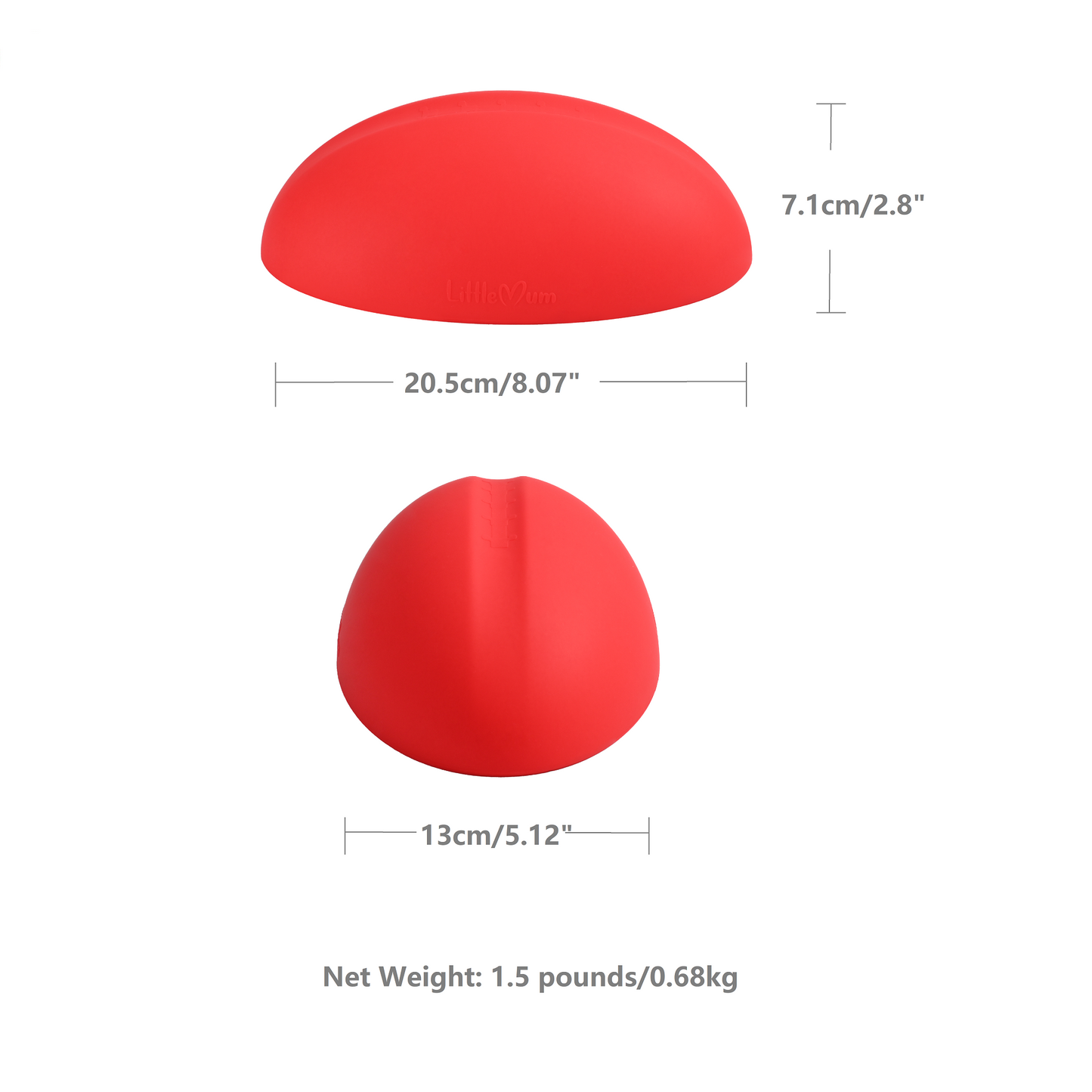
Length: 20.5 cm / 8.07 in
Width: 13 cm / 5.12 in
Height: 7.1 cm / 2.8 in
Net weight: 0.68 kg / 1.5 lb
What’s Included
1 × LittleMum Thoracic Flex Stretcher
1 × Progressive Use Guide
Warranty
Backed by LittleMum’s 15-year warranty. Please refer to our Warranty Policy for full coverage details and exclusions.
Shipping & Returns
Free shipping is available within the United States, Australia, and Canada.
Returns are accepted within 30 days. We provide the return label, and a flat $5 return fee is deducted from the refund in USA. Please review our Returns Policy for full eligibility requirements.
FAQ
Is it supposed to crack my back?
No. A cracking sound is not necessary and should not be treated as the measure of a successful session. The purpose is gradual, controlled extension and mobility.
Is it a massage tool?
It is primarily a stationary thoracic stretching and mobility tool. It does not roll, knead or provide trigger-point nodes like a conventional massage product.
How is it different from a foam roller?
A foam roller covers a larger area and can move underneath the body. The LittleMum stretcher provides a fixed, repeatable curve and remains more stable while you hold one thoracic position.
Is this product designed for costochondritis?
It is designed to support gradual thoracic extension, posterior rib-cage mobility and pectoral opening—areas that may form part of a self-care programme for people with medically diagnosed costochondritis.
It does not diagnose costochondritis and should not be used as the first response to new or unexplained chest pain.
Can it be used for thoracic outlet syndrome?
Thoracic mobility and pectoral stretching may be included in physical therapy for some people with neurogenic thoracic outlet syndrome. However, TOS has several types and causes, including conditions involving nerves, veins and arteries.
Use the product for TOS only when a qualified healthcare professional has confirmed that this form of stretching is appropriate for you.
Why should I start with pillows?
The pillows reduce how far the thoracic spine extends over the product. They allow your muscles and joints to become familiar with the position before more body weight moves into the stretch.
How many pillows should I use?
Many beginners may need two or three firm pillows beneath the head and upper shoulders. The correct number is the amount that allows you to breathe normally, keep the neck relaxed and remain in control of the stretch.
Where should I place it?
Begin beneath the middle of the thoracic region, approximately between the lower portions of the shoulder blades. Avoid beginning directly beneath the neck or lower back.
After completing one position, lift your weight away and move the product a small distance before repeating.
Can I place it slightly to one side?
Yes. Once you are familiar with the central position, the product may be moved slightly to one side to alter the contact around the posterior rib and paraspinal area. Avoid placing concentrated pressure directly on a rib injury or prominent bone.
Should it feel painful?
A firm stretch or pressure may be expected, but sharp pain, increasing chest pain, neurological symptoms or difficulty breathing are not normal goals. Add more pillow support or stop the session if the position cannot remain controlled.
Is it the same as the Backpod?
No. Both products belong to the general category of compact thoracic extension tools, but their construction and surface design differ.
LittleMum uses a substantial food-grade silicone structure with a broad base and shallow central channel. Some other thoracic pods use a rigid plastic core with a separate cushioned outer layer. Follow the instructions supplied for the specific product you own.